Early Years at Thringstone Primary School is where children begin their learning journey. We provide a happy, nurturing and ambitious start where children quickly feel safe, build confidence and develop a love of learning. Guided by our vision, Believe and Achieve Together, we help every child grow into an independent, curious and capable learner.
Strong relationships, clear routines and high expectations help children settle quickly, feel secure and be ready to learn.
Our EYFS Approach
Our Early Years Foundation Stage Framework explains how we plan learning, develop children's knowledge and skills, and prepare them for a successful transition into Year 1.
Building Strong Foundations
Children arrive with a wide range of experiences. Our curriculum focuses on the knowledge, language and early skills that make the biggest difference to future learning.
Early Reading and Writing
Reading is at the heart of our Early Years curriculum. Phonics is taught through Little Wandle Letters and Sounds Revised, helping children become confident early readers.
We use a story-led approach to develop children's language, imagination and early writing. Through high-quality books, storytelling, role play and meaningful conversations, children build vocabulary, develop a love of stories and learn to express their ideas with confidence.
Children read regularly with adults, enjoy sharing a wide range of high-quality books and quickly begin to see themselves as readers and writers.
Mathematical Understanding
Children develop mathematical understanding through practical experiences, discussion and structured teaching that builds strong early number sense.
We teach number through the NCETM Mastering Number programme, supported by White Rose Maths for Shape, Space and Measure.
Language and Communication
Language underpins everything we do. Stories, songs and meaningful conversations are part of every day. Adults model ambitious vocabulary, extend children's thinking and encourage them to communicate with confidence.
Learning Environment and Outdoor Learning
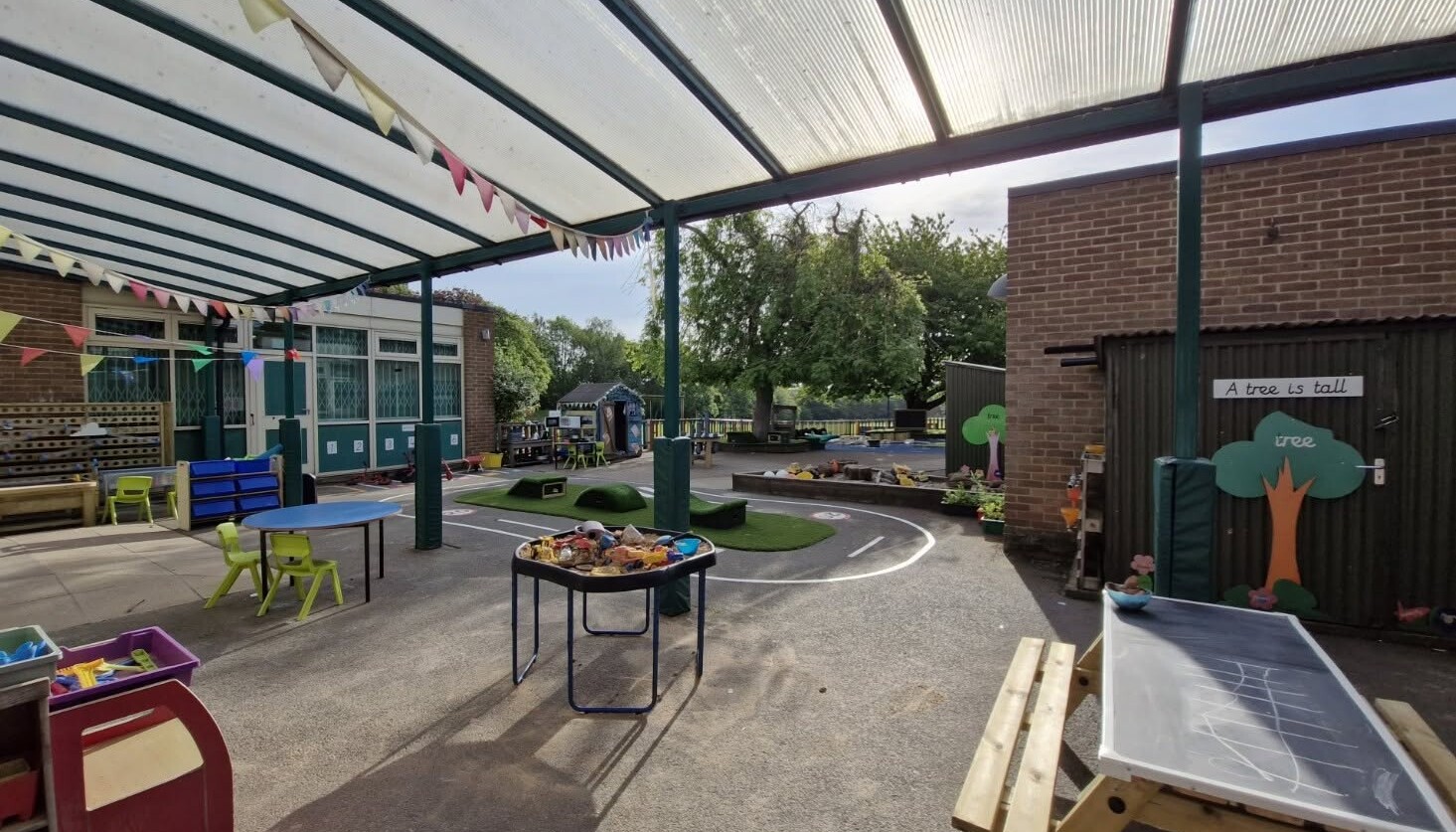
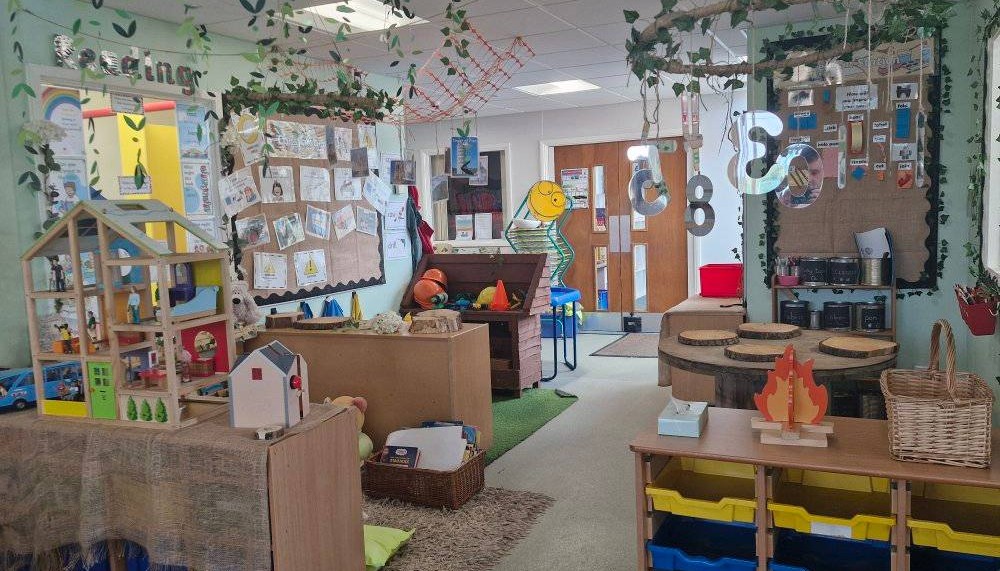
Our classrooms and outdoor areas are carefully designed to promote exploration, independence and sustained engagement.
Reception children benefit from a dedicated outdoor learning area and regularly use the wider school grounds, including the field, MUGA and forest spaces.
Regular Forest School sessions encourage children to become resilient, curious and confident while learning in the natural environment.
Working in Partnership with Families
We know children achieve their best when school and home work together. From the moment children join Thringstone, we build strong relationships with families, celebrating successes and working together to support every child's learning and development.
Leadership
Early Years is led by a dedicated team who work closely with senior leaders to ensure learning is ambitious, well-sequenced and consistently delivered.
EYFS Curriculum Map
Our EYFS Long Term Plan shows how learning is carefully sequenced across the year, building the knowledge and skills children need for a successful transition into Year 1.
EYFS Policy
Our EYFS Policy can be found on the School Policies page.
Want to Know More?
The best way to experience Early Years at Thringstone is to come and visit. We would be delighted to show you around, answer your questions and help you discover what makes our Reception class such a special place to begin a child's education.
Please contact the school office to arrange a visit or find out more.