At Thringstone Primary School, our curriculum is ambitious, carefully planned and rooted in our vision to Believe and Achieve Together. We want every child to develop secure knowledge, strong skills and the confidence to succeed in secondary school and beyond.
Learning is carefully sequenced so that knowledge builds over time, helping children remember more and make meaningful connections across subjects. Alongside the National Curriculum, our curriculum reflects the needs of our children, our local community and the opportunities that make Thringstone unique.
Our Curriculum Drivers
Everything we teach is shaped by three curriculum drivers.
Aspiration
We encourage children to aim high, believe in themselves and develop ambitions for the future. Through inspiring learning and high expectations, children grow in confidence and resilience.
Communication
Communication is central to learning. We develop confident readers, writers, speakers and listeners who can express their ideas clearly, explain their thinking and communicate with confidence.
Culture
We help children understand both their local community and the wider world. By celebrating our heritage while exploring different cultures, beliefs and experiences, children develop respect, curiosity and a strong sense of belonging.
These drivers are woven through every subject and every year group.
A Curriculum That Builds Over Time
Across the school we place particular importance on strong foundations in reading, writing, spoken language and mathematics. Early reading is taught through Little Wandle Letters and Sounds Revised, providing a consistent approach from Pre-School through Key Stage 1.
Some children learn in mixed-age classes. Our curriculum is carefully planned to ensure learning builds progressively over time, avoiding unnecessary repetition while ensuring every child is taught the full National Curriculum and continues to make strong progress.
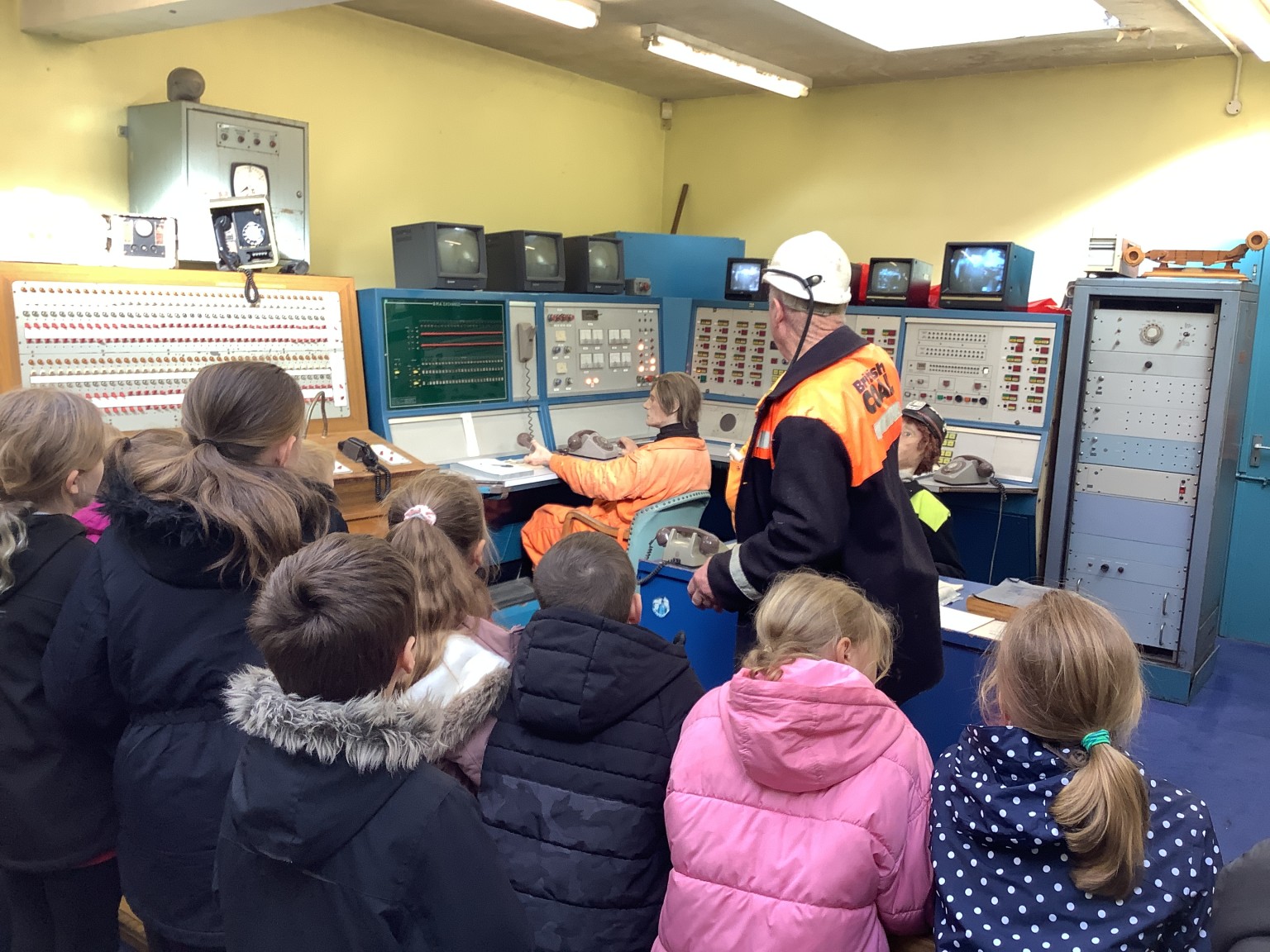
Learning is enriched through educational visits, visitors, sport, creative projects and strong community partnerships, helping children apply their learning in meaningful ways.
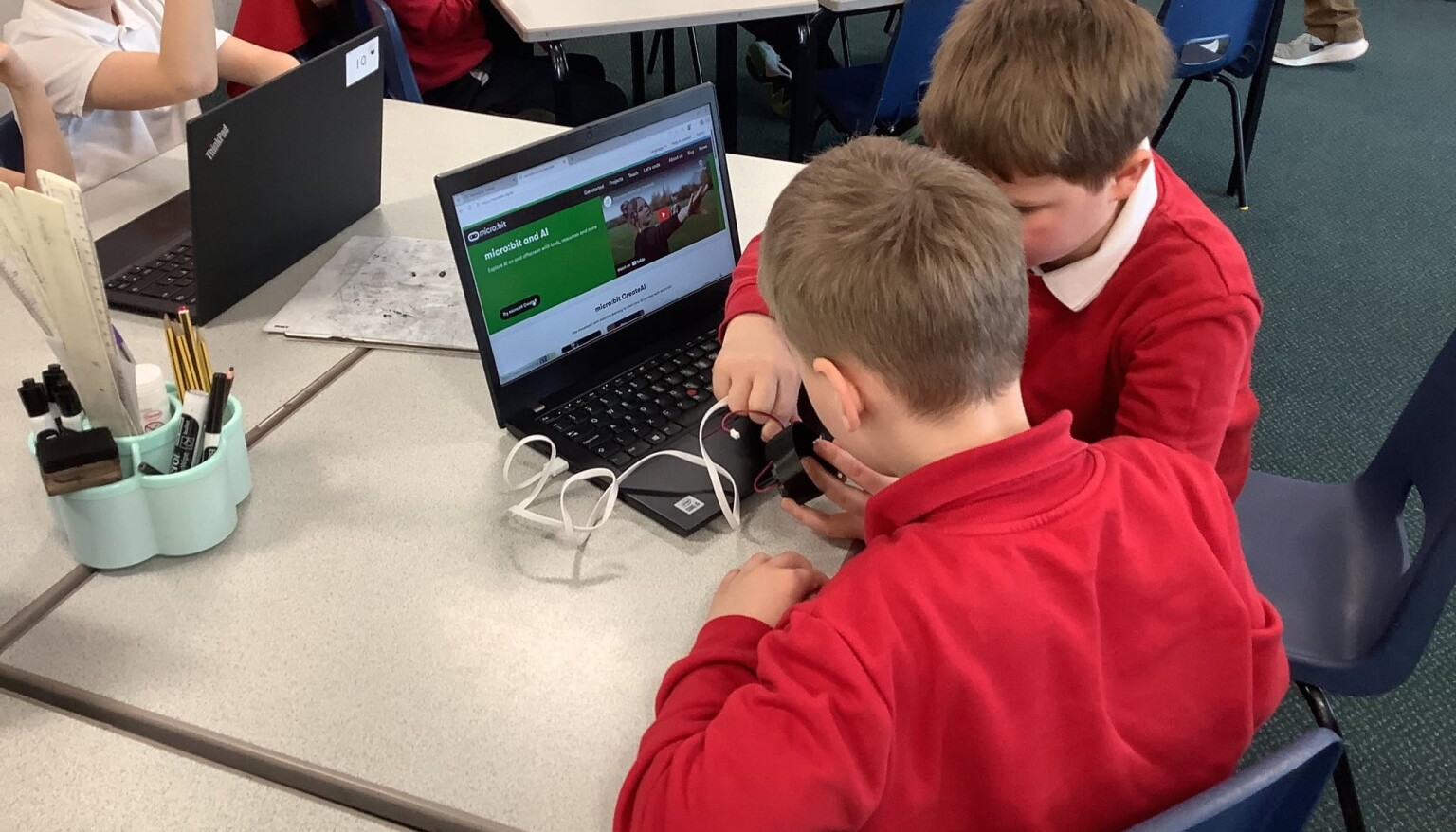
To find out more about how our curriculum is delivered in the classroom, visit our Teaching & Learning page.
What This Means for Your Child
Children at Thringstone benefit from a curriculum that:
- builds secure knowledge and skills across every subject
- develops confidence, creativity and independence
- brings learning to life through memorable experiences
- celebrates our local heritage while exploring the wider world
- prepares children well for the next stage of their education.
Our aim is for every child to leave Thringstone as a confident, curious and capable learner who is ready for the future.
National Curriculum
Thringstone Primary School teaches the full National Curriculum alongside Religious Education and PSHE. French is taught in Key Stage 2.
If you would like more information about what your child is learning, please speak to your child's class teacher or contact the school office.
Parents have the right to withdraw their child from all or part of Religious Education. Further information can be found in our Curriculum Policy and on our School Policies page.